 |
MAD DOG BLUES| Solo | Duo | Trio | String Band |ColoradoCountryBlues.com (HOME)eclectic acoustic roots & jam |
|
| Shows |Music | Videos | Bio & Awards| Press | Photos | EPK | Contact | Merch || Facebook | Instagram | Spotify | YouTube Music | Apple Music | Tidal | |
Mad Dog Blues Solo
where the century-old tradition of Unaccompanied Harmonica & Voice Blues still lives
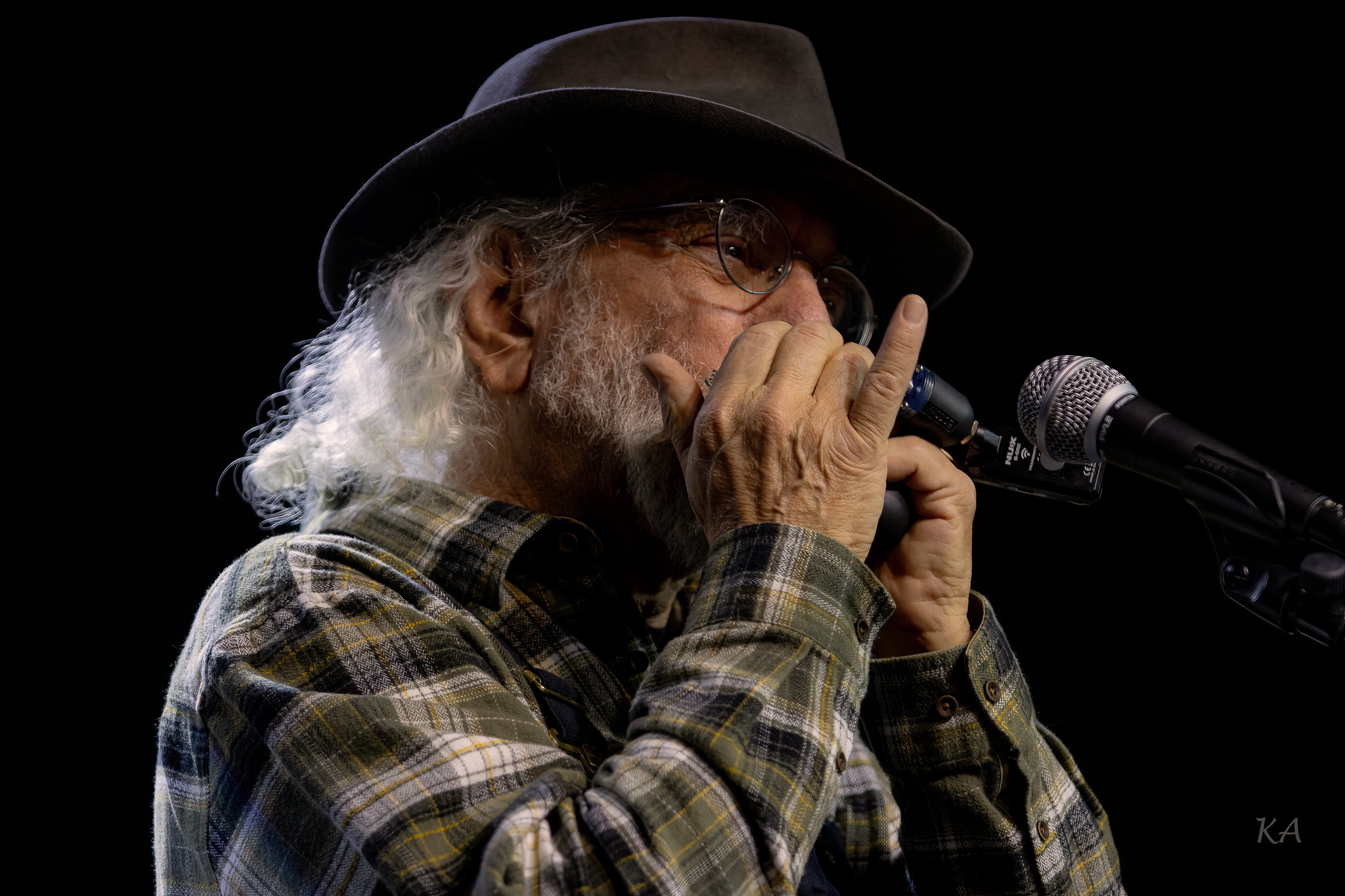
Photo by Ken Arias.
The Solo Harmonica Blues of Mad Dog FriedmanMad Dog Friedman has dedicated himself to reviving the the rarely recorded tradition of unaccompanied harmonica‑and‑voice blues. If you like it live, replete with traditional storytelling, you will love Heart to Harp (LIVE at the Colorado Blues Challenge) or maybe the intimate video EP, Live & Alone. Maybe you would prefer the upbeat creativity of the first known full-length album in this genre to be recorded in half a century, Hot Harmonica Hokum. However you like your your harmonica hokum, Mad Dog has you covered. |
||||||
LIVE AUDIO & VIDEO EP:Live & Alone
Watch all the videos without annoying advertisements at Tidal, Apple Music at BandCamp. |
LIVE ALBUM OF WINNING SET:
You can now enjoy Mad Dog's winning performance on your favorite streaming service. |
STUDIO LP:
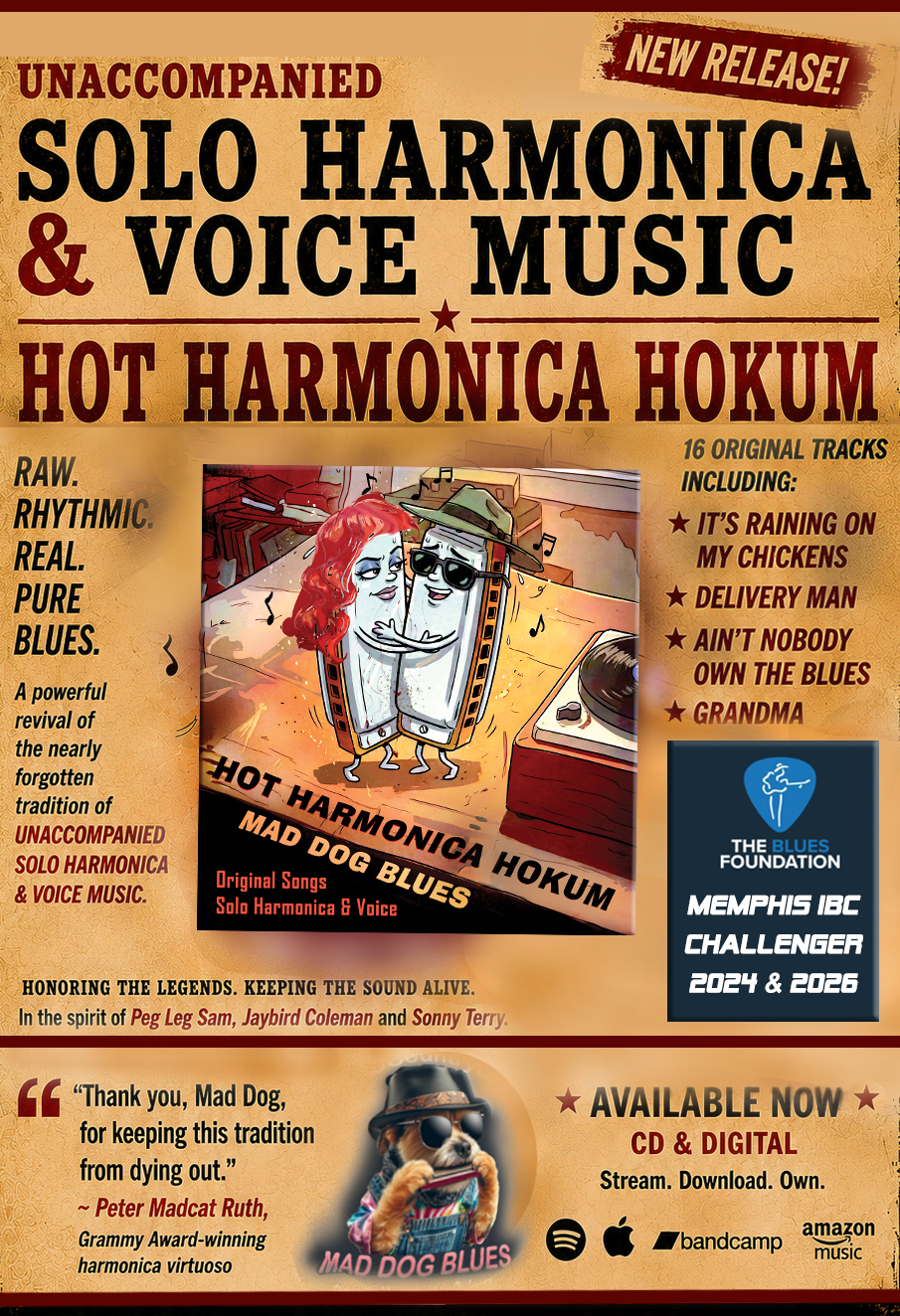
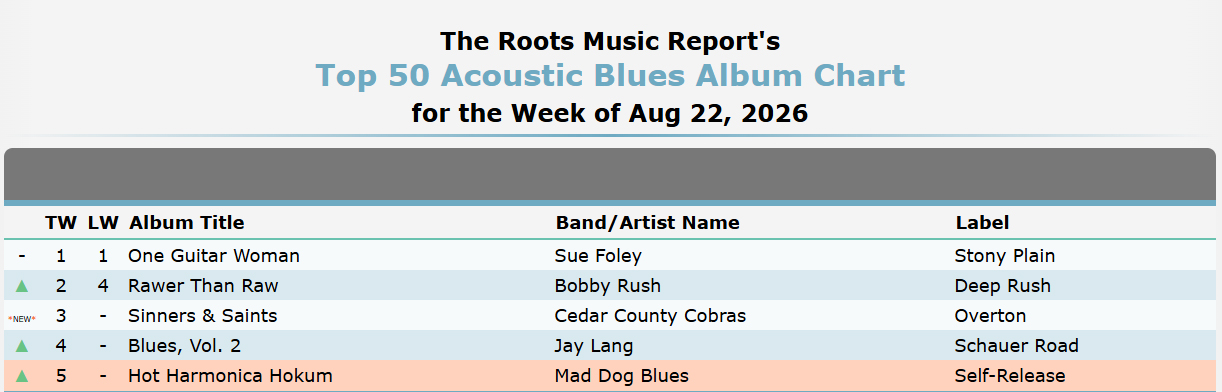
Hot Harmonica Hokum (Released 8/11/26)
Hot Harmonica Hokum, revives a rare American tradition—marking the first known full length, unaccompanied harmonica and voice album to be recorded since J.C. Burris' landmark LP, One of These Mornings, (Arhoolie, recorded in 1975).
In Hot Harmonica Hokum, Mad Dog Friedman brings the playful, medicine show spirit of solo blues harmonica into the 21st century with grit, groove and grin. |
||||
|
WHAT FOLKS ARE SAYING ABOUT MAD DOG'S SOLO HARMONICA BLUES Mad Dog Friedman has just recorded an audio and video project called Mad Dog Blues-Live & Alone. In the tradition of Peg Leg Sam, Jaybird Coleman, Deford Bailey, and the early recordings of Sonny Terry, Mad Dog's new recording project is a harmonica and vocal performance, recorded live, with no additional accompaniment. It is raw, bare-boned, intense, and definitely worth checking out. Thank you, Mad Dog, for keeping this tradition from dying out. ~ Peter Madcat Ruth, Grammy Award-winning harmonica virtuoso Mad Dog Friedman takes a deep dive into country blues with Hot Harmonica Hokum. This is a one man tour-de-force by Mad Dog: harmonica and vocal, period. No overdubs, raw and uncut humerous songs in true Mad Dog fashion. There's no question that Mad Dog has centered himself squarely in the blues tradition, give or take a comment about tik tok. The blues tradition did not come from music theory and composition, but from people singing and playing alone, or with friends. The commonality of beat and vocal range probably owes more to the blues musicians' common working life experience and its rhythms, than to any theory. Mad Dog drops himself directly into that with this song, solo instrument, solo vocal. Given his music career, it is not surprising that he has pulled this off so well. The melody line is augmented perfectly by the harmonica and the two together show us just what that traditional blues sounded over all those years. If you want to get a feel for this style of blues, his new album, 'Live And Alone' will open it up for you. ~ John Lamp, Presenter for Tempo on the Pulse, in Geelong, Australia
|
||||||




HARMONICA HOKUM HISTORY
Harmonica players throughout the years have performed and recorded solo (unaccompanied) harmonica instrumentals. Historically, many of these artists specialized in imitating the sounds of the world around them on their harmonicas. Train songs and fox chases seem the ubiquitous examples. This tradition started with the early hokum jug band players, and has since influenced most American musical styles, especially blues and country. Some of my favorites artists are Jaybird Coleman, Henry Whitter, Freeman Stowers, Noah Lewis, Lonnie Glosson, Palmer McAbee, George "Bullet" Williams, Peg Leg Sam Jackson, Freddie Vanderford, Roger Mathis, Walter "Red" Parham, Eddie Mapp, D.H Bert Bilbro, Deford Bailey, Sonny Terry, J.C. Burris, Gwen Foster, Turner JuniorJohnson, Jesse Stroller, Edward Hazelton, Oliver Sims, Forest City Joe, Wayne Raney, George "Bullet" Williams, Kyle Wooten, William McCoy, Napoleon Strickland, Elder Roma Wilson, Johnny Woods, Edward Hazelton, Otis Taylor, Rice Miller, Adam Gussow, Sugar Blue, Brandon Bailey, Doctor Isaiah Ross, Jason Ricci, Carlos del Junco, Stevie Bernath, Mike Stevens, John Mayall, Håkan "Harmonica Hawk" Ehn, Keith Dunn, Richard Hunter, Phil Wiggins, Peter Madcat Ruth, Dom Flemons, Bobby Rush & Tom Walbank. (Click on each artist's name to hear a sample.)
The list of folks that have recorded one or more tracks of unaccompanied harmonica & voice music is considerably shorter. Although this style of blues was popular with buskers and medicine shows in the 1920's & 1930's, it rarely found its way into the recording studio. Throughout the entire recorded history of music, these are the only artists I have found who have recorded one or more examples of music in this style. Click on the artist's name to hear a sample: Jaybird Coleman, Peg Leg Sam Jackson, Freddie Vanderford, Roger Mathis, Walter "Red" Parham, Sonny Terry, J.C. Burris, Edward Hazelton, Forest City Joe, Deford Bailey, Napoleon Strickland, Elder Roma Wilson, Johnny Woods, Otis Taylor, Doctor Isaiah Ross, Stevie Bernath, John Mayall, Håkan "Harmonica Hawk" Ehn, Keith Dunn & Bobby Rush.
I am always interested in learning about others doing this rare form of songwriting and performing. Do not hesitate to contact me if you also enjoy geeking out about the history of the harmonica blues. You may contact me, Mad Dog Friedman, directly at
maddog AT maddogharp DOT com.
Mad Dog Friedman Opens Up in Exclusive Interview
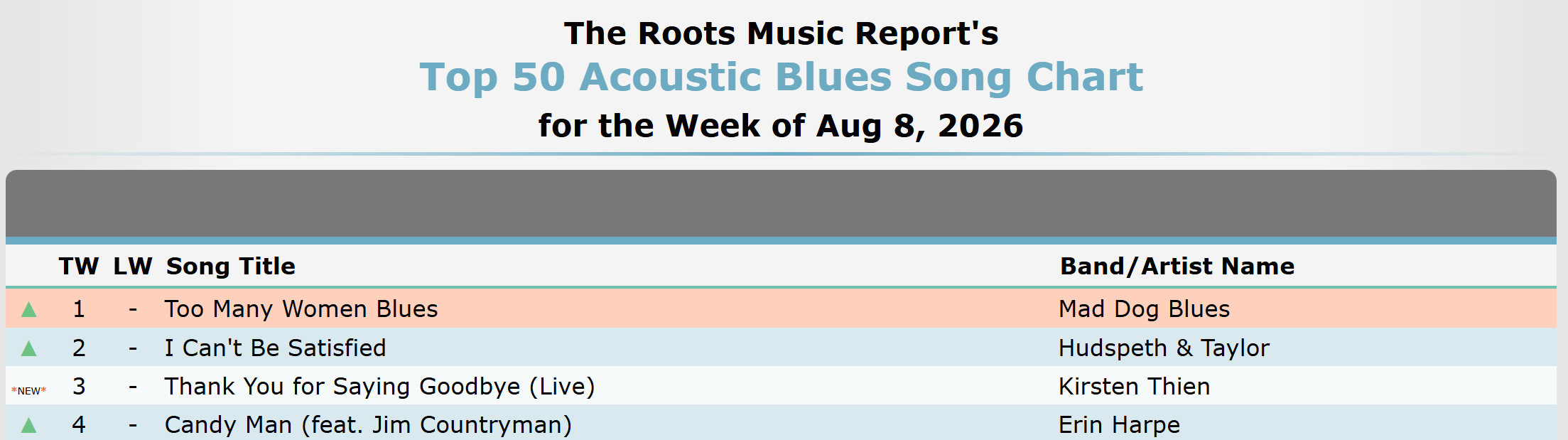
"With over one million streams under his belt and a reputation for redefining Colorado country blues, Mad Dog sat down for an exclusive interview you won't want to miss. Known for his gritty sound and soulful storytelling, this conversation dives deep into the legend behind the name, the music, and the man himself. In this intimate sit-down, Mad Dog reveals how his unforgettable nickname was born — and how it connects to his lifelong musical journey. He also shares the powerful advice that's guided his path: "Go to where your fear is — there's power there." It's not just music. Mad Dog opens up about his musical hero with the unforgettable name Mad Cat, and the moment he fell in love with the harmonica — a story that'll give any blues lover chills. And yes, it gets even better." - Bad Hollie Wood, host of the Morning Wood Show.

https://youtu.be/vvaD2xEKsbs?si=neDABJl4I0CvI-6T
for all bookings please contact Mad Dog Friedman
at maddog AT poetscoop DOT org